+44 777 887 6994

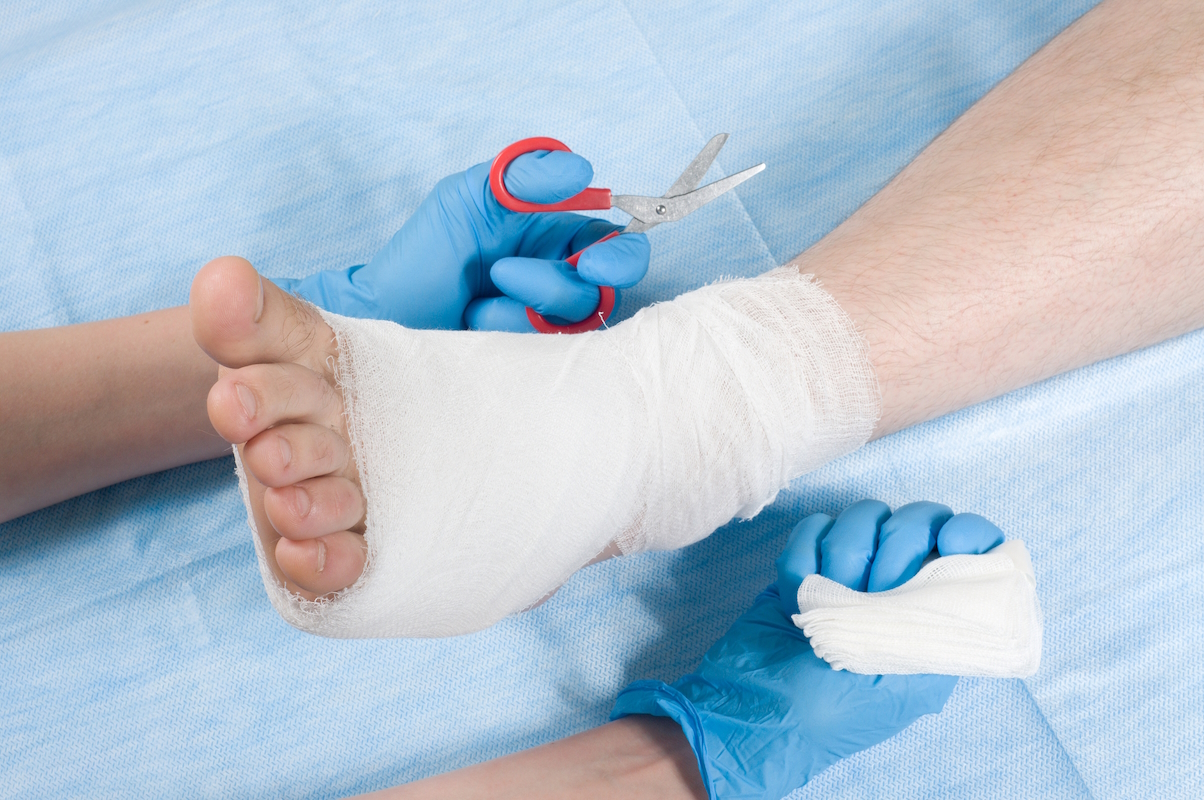
Wound care seems simple: clean it, cover it, and let it heal. But millions of people unknowingly make mistakes that delay healing, increase scarring, or even lead to dangerous infections. Whether it’s a child’s scraped knee, a kitchen knife cut, or a post-surgical incision, proper care is essential for optimal recovery.
Let’s break down the five most common mistakes in wound care—and how to avoid them.
Mistake 1: Using Hydrogen Peroxide or Rubbing Alcohol
These were once household staples, but modern medicine strongly advises against them. Both substances are cytotoxic—they kill not only bacteria but also healthy skin cells, slowing down the healing process. Instead, gently rinse the wound with lukewarm water and mild soap, then use an antiseptic wipe with benzalkonium chloride or povidone-iodine for disinfection.
Mistake 2: Letting Wounds Dry Out
The old belief that wounds should “air out” is a myth. Research shows that moist wound healing promotes faster tissue regeneration, reduces scarring, and lowers infection risk. Keep the area covered with a non-stick dressing and apply a thin layer of petroleum jelly or antibiotic ointment (if no allergy) to maintain moisture.
Mistake 3: Picking or Scratching Scabs
It’s tempting, but removing a scab disrupts new tissue growth and reopens the wound. Let it fall off naturally. If itching is bothersome, apply a cold compress or use an over-the-counter anti-itch cream.
Mistake 4: Ignoring Signs of Infection
Redness, warmth, swelling, pus, increasing pain, or red streaks radiating from the wound are all warning signs. These could indicate a bacterial infection like cellulitis or, in severe cases, sepsis. Seek medical help immediately if you notice any of these symptoms.
Mistake 5: Skipping the Tetanus Booster
Deep, dirty, or puncture wounds (e.g., from a rusty nail) can lead to tetanus, a life-threatening condition. If you haven’t had a tetanus shot in the last 10 years—or if you’re unsure—get a booster. It’s a simple, preventive step that could save your life.
Best Practices for Optimal Healing:
Proper wound care isn’t complicated, but it requires attention and knowledge. With the right approach, most minor injuries heal quickly and cleanly.
First Aid Seller
No comments yet. Be the first to share your thoughts!
Subscribe to get updates on new articles and exclusive content.
Subscribe to our newsletter and receive the latest products and special offers for your beloved pet directly to your inbox.