+44 777 887 6994

High blood pressure (hypertension) affects over 1 billion people worldwide and is a leading risk factor for heart attacks, strokes, and kidney disease. The challenge? It often has no symptoms. That’s why regular monitoring—especially at home—is crucial for early detection and effective management.
But with so many blood pressure monitors on the market, how do you choose the right one? Not all devices are created equal, and using an inaccurate one can lead to false reassurance or unnecessary anxiety.
Here’s what you need to know to make a smart, health-conscious decision.
Upper Arm vs. Wrist Monitors: Which is Better?
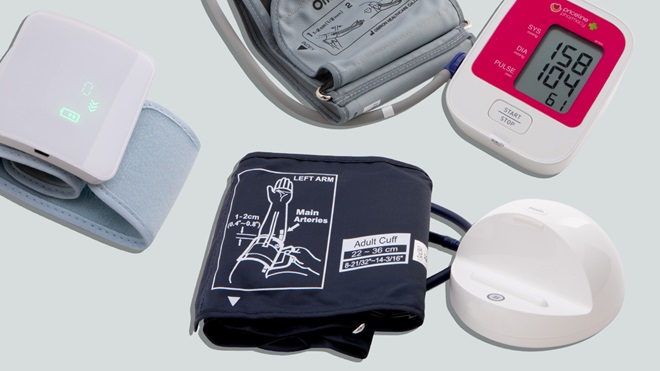
Upper arm monitors are generally more accurate because they measure blood pressure closer to heart level and are less affected by positioning errors. Wrist monitors, while portable and discreet, are highly sensitive to hand and arm position. A slight tilt can lead to significant inaccuracies. For most adults—especially those over 40 or with cardiovascular concerns—an upper arm model is the gold standard.
Look for Clinical Validation
Not all monitors are tested for accuracy. Choose a device that has been validated by reputable organizations like the British Hypertension Society (BHS), European Society of Hypertension (ESH), or the FDA. Websites like dable.co.uk list clinically approved devices. Avoid no-name brands or cheap models from unknown manufacturers.
Cuff Size: The Hidden Factor in Accuracy
An ill-fitting cuff is one of the most common causes of incorrect readings. A cuff that’s too small will give falsely high results; one that’s too large may read too low. Measure your upper arm circumference and choose the correct size:
Many premium monitors come with adjustable cuffs or offer replacements.
Key Features to Look For:
Smart Features and Connectivity
Modern monitors can sync with smartphone apps via Bluetooth, allowing you to track trends, share data with your doctor, or set medication reminders. Brands like Withings, Omron, and A&D Medical offer secure, user-friendly apps. While convenient, ensure the app doesn’t compromise privacy and is compatible with your phone.
When to Avoid Certain Types
Avoid finger monitors—they are the least accurate. Also, be cautious with wrist models if you have diabetes, peripheral artery disease, or arrhythmias, as they’re more prone to error in these conditions.
Finally, calibrate your device annually and validate it against a clinic reading. Always measure at the same time of day, sit quietly for 5 minutes beforehand, and keep your arm supported at heart level. A good blood pressure monitor isn’t just a gadget—it’s a vital tool for lifelong heart health.
First Aid Seller
No comments yet. Be the first to share your thoughts!
Subscribe to get updates on new articles and exclusive content.
Subscribe to our newsletter and receive the latest products and special offers for your beloved pet directly to your inbox.