+44 777 887 6994

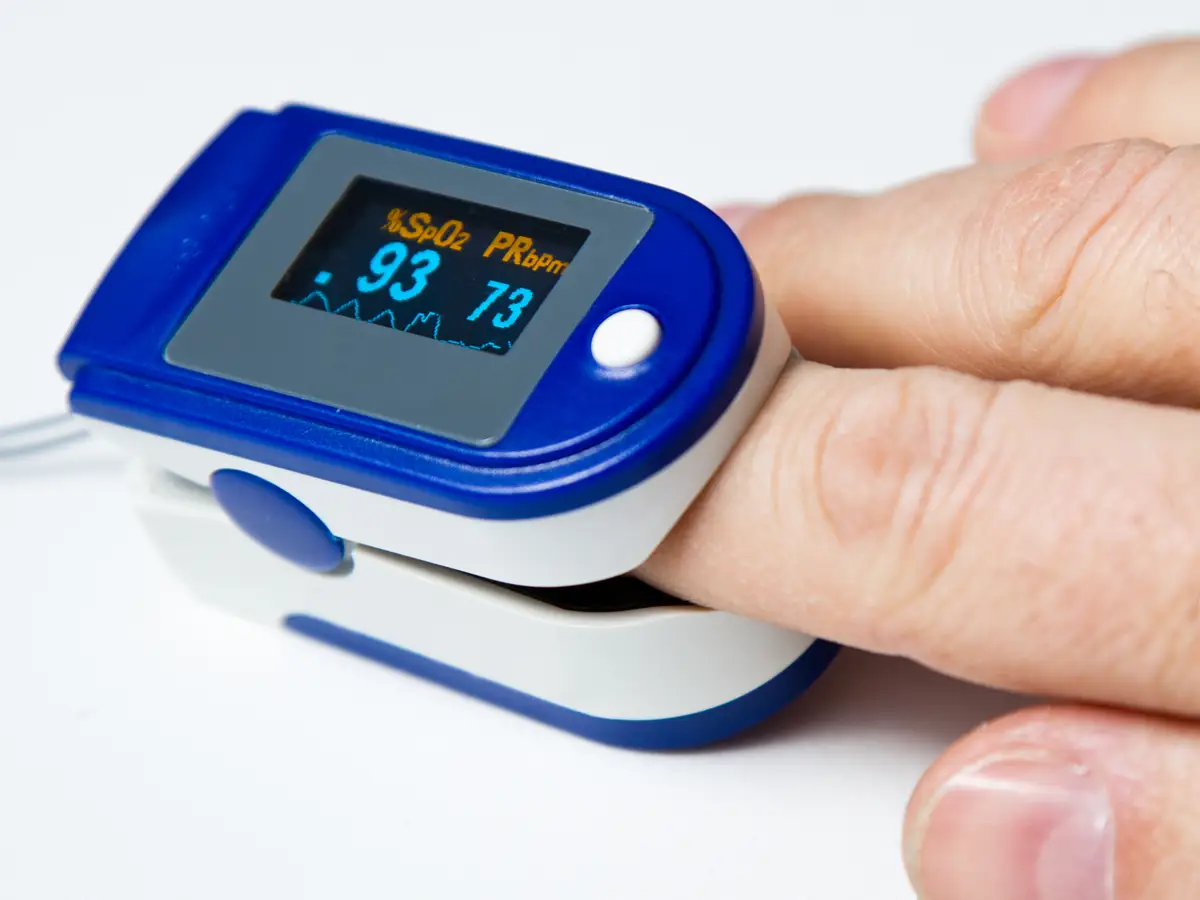
A pulse oximeter is a small, non-invasive device that measures two critical health metrics: oxygen saturation (SpO2) and pulse rate. It’s become increasingly important for people with respiratory conditions like asthma, COPD, or during recovery from illnesses such as pneumonia or COVID-19.
But how does it work, and why is it valuable for home use?
How It Works
The device clips onto your fingertip and uses light beams to estimate how much oxygen your red blood cells are carrying. Normal SpO2 levels range from 95% to 100%. Readings below 92% may indicate hypoxemia (low blood oxygen) and require medical attention.
Who Should Use One?
Tips for Accurate Readings
Limitations to Know
Pulse oximeters are helpful but not infallible. They may give false readings in people with poor circulation, dark skin pigmentation, or carbon monoxide poisoning. Always interpret results in context and consult a doctor if you notice sudden drops or persistent low levels.
Having a pulse oximeter at home empowers you to monitor your health proactively. It’s not a diagnostic tool, but it can alert you to changes that warrant medical evaluation—making it a smart addition to any health-conscious household.
First Aid Seller
No comments yet. Be the first to share your thoughts!
Subscribe to get updates on new articles and exclusive content.
Subscribe to our newsletter and receive the latest products and special offers for your beloved pet directly to your inbox.