+44 777 887 6994

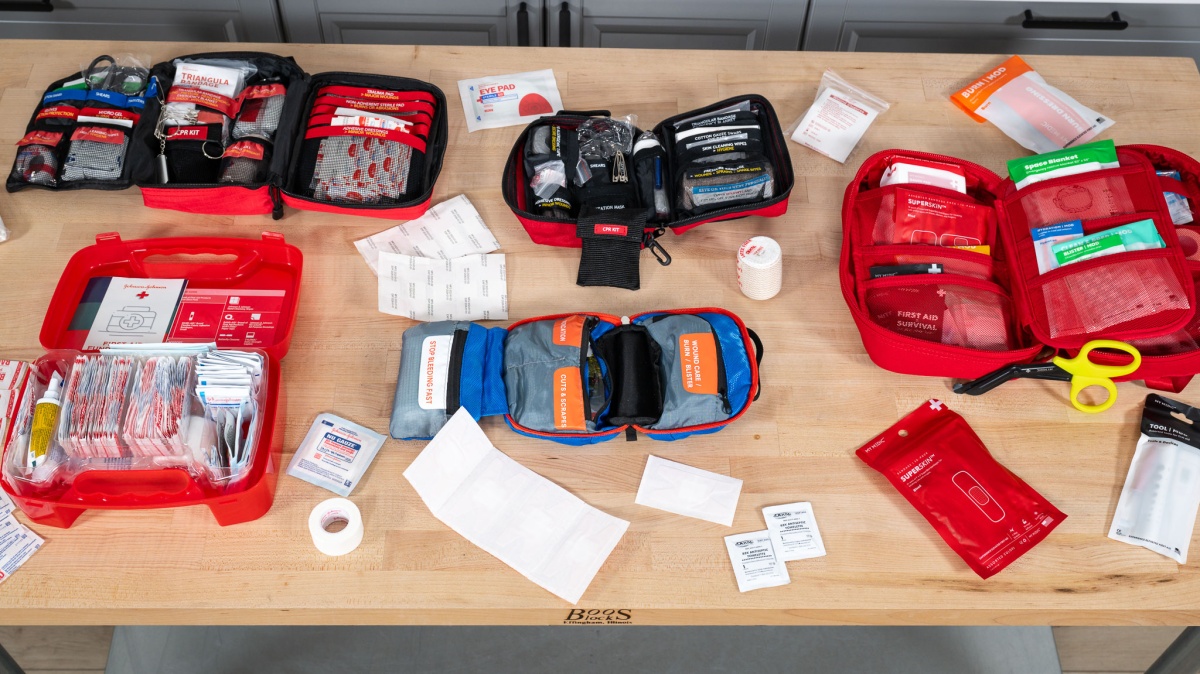
A well-prepared first aid kit is more than just a box of bandages—it’s a lifeline in emergencies. Whether you’re at home, on the road, or enjoying the outdoors, unexpected injuries can happen at any moment. The difference between a minor inconvenience and a serious complication often comes down to whether you’re equipped to respond quickly and effectively.
While commercial kits are widely available, many are filled with generic items that don’t cover real-world needs. To build a truly functional first aid kit, you need to focus on quality, versatility, and medical relevance. Based on guidelines from the American Red Cross, WHO, and emergency medicine experts, here are the top 5 essential items no first aid kit should be without.
1. Adhesive Bandages in Assorted Sizes and Specialized Types
Often the first thing people think of, bandages are crucial for protecting minor wounds from contamination. But don’t just grab a standard pack—include a variety of sizes and shapes. Fingertip, knuckle, and elongated bandages ensure coverage on joints and hard-to-reach areas. Consider adding butterfly closures for deeper cuts that need to be pulled together before healing. Waterproof and flexible options are ideal for active individuals or outdoor adventures where moisture is a concern.
2. Antiseptic Solutions and Sterile Wipes
Cleaning a wound properly is the most important step in preventing infection. While rinsing with clean water helps, it’s not always enough. Include antiseptic wipes containing benzalkonium chloride or povidone-iodine, which are effective at killing bacteria without damaging healthy tissue—unlike alcohol or hydrogen peroxide, which can delay healing. Also, pack a small bottle of sterile saline solution for irrigating debris from larger wounds.
3. Sterile Gauze Pads and Non-Adherent Dressings
For injuries too large for bandages—such as deep lacerations, burns, or abrasions—sterile gauze is essential. Opt for non-adherent gauze pads that won’t stick to the wound, reducing pain and tissue damage during dressing changes. Pair them with medical tape (preferably hypoallergenic) and roller gauze for securing dressings on limbs. Include at least 4–6 gauze pads of varying sizes (2x2 inch and 4x4 inch) in your kit.
4. Disposable Nitrile Gloves (Latex-Free)
Protecting yourself is just as important as helping others. Bloodborne pathogens like HIV, hepatitis B, and hepatitis C can be transmitted through contact with bodily fluids. Nitrile gloves are superior to latex because they’re more puncture-resistant and less likely to cause allergic reactions. Always include at least two pairs in sealed packaging to maintain sterility. For added safety, consider a CPR face shield with a one-way valve for emergency resuscitation.
5. Digital Thermometer with Fast-Read Technology
Fever is a key indicator of infection, illness, or post-injury complications. A reliable digital thermometer allows you to monitor temperature accurately and respond early. Choose a model with a backlit display, memory function, and fast-read technology (under 10 seconds). For families, consider a dual-mode thermometer that can be used orally, rectally, or under the arm. Forehead or ear thermometers are excellent for children who resist traditional methods.
Bonus Essentials to Enhance Your Kit:
Store your kit in a durable, waterproof container with a clear label. Keep it in an accessible location—home, car, office, or backpack—and check it every 6 months for expired items. Customize it based on your lifestyle: add motion sickness tablets for travelers, EpiPen reminders for allergy sufferers, or pet first aid items for pet owners. A thoughtfully assembled first aid kit isn’t just a collection of supplies—it’s a commitment to safety and preparedness.
First Aid Seller
No comments yet. Be the first to share your thoughts!
Subscribe to get updates on new articles and exclusive content.
Subscribe to our newsletter and receive the latest products and special offers for your beloved pet directly to your inbox.